

Effective Marketing Strategies for Small Businesses: Grow Your Online Presence and Convert Leads
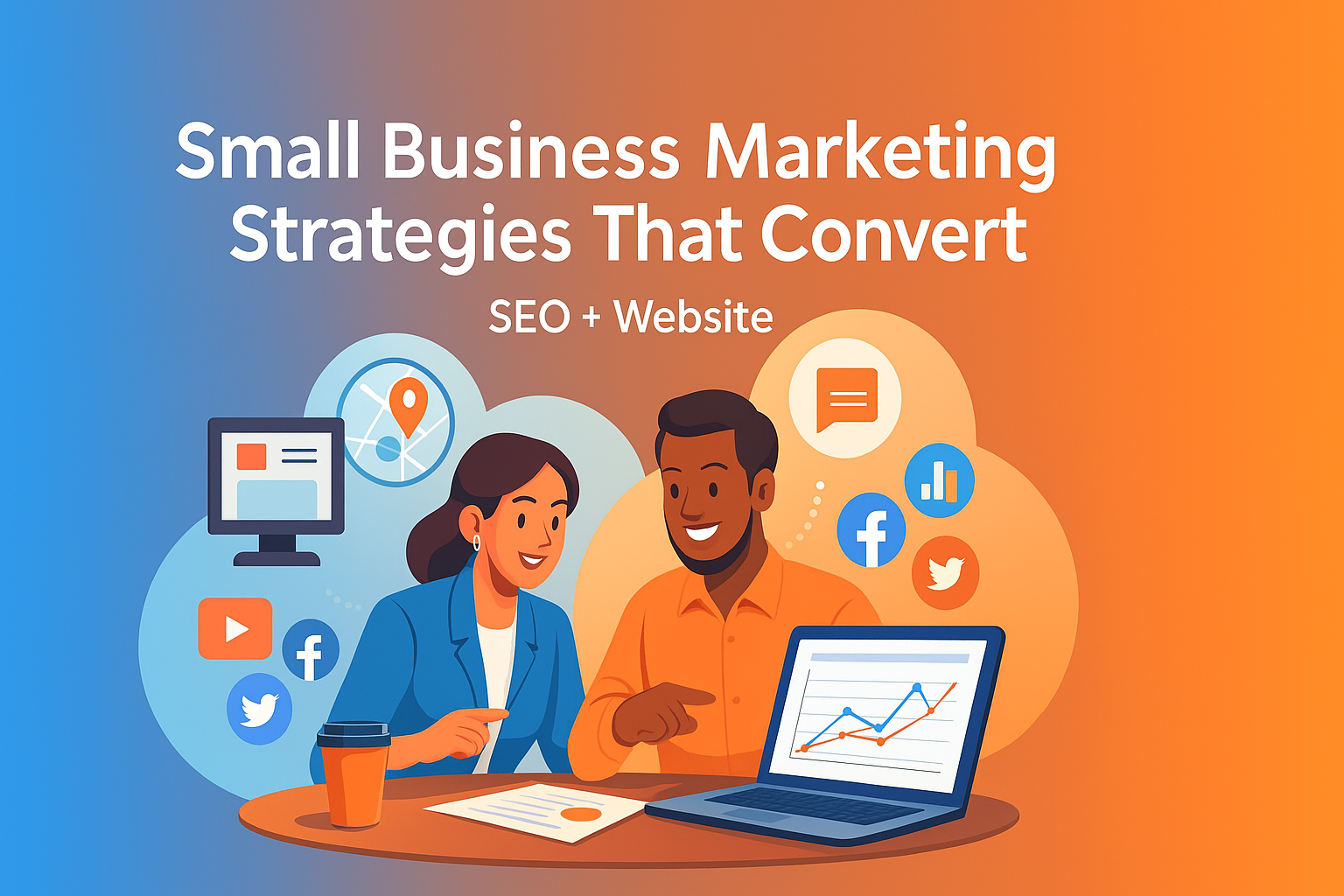
For small businesses, a smart marketing plan helps attract local customers, build trust, and turn interest into real sales. This guide shows how having your own online presence—like a website, local listings, and content—is key to building your brand, improving local SEO, and getting steady leads.
Many small business owners face challenges like small budgets, unclear messages, and websites that don't convert visitors well. This article offers clear steps and a plan to fix these issues. You'll learn why a mobile-friendly website that's ready for search engines is important, how local SEO in Ohio and Pennsylvania brings in customers, which content works best, and how social media and email can boost your website's ability to get leads. Each section includes simple checklists and tips to help you decide what to do first and how to track your success. By the end, you'll have a plan that balances quick, affordable wins with long-term growth.
Why a Strong Online Presence is Key for Small Business Growth
A strong online presence means having a fast, mobile-friendly website, accurate local business listings, and helpful content. Together, these things make your business more visible and trustworthy to potential customers. It works simply: a better technical setup and local relevance help you show up higher in search results. This brings more qualified visitors to your site, creating more chances to turn them into customers.
Today, people use local searches and their phones to find nearby services. So, a website that loads quickly, has clear calls to action (CTAs), and shows local information will turn those searches into actual leads. Here's a quick look at website features and how they help small businesses:
| Website Feature | What It Is | How It Helps |
|---|---|---|
| Mobile-first layout | Responsive design, easy-to-find CTAs | More local mobile engagement and calls |
| SEO-ready structure | Schema markup, optimized descriptions | Better local search rankings and richer search results |
| Fast performance | Optimized images, caching | Lower bounce rate and more pages viewed per visit |
| Secure hosting | HTTPS, regular updates | Increased trust and higher chance of conversion |
This table shows how your website's design and setup affect its performance. Integrating these elements from the start is the quickest way to get consistent leads. Often, the reason visits don't turn into customers is a poorly optimized website. This leads us to the next set of optimizations.
How a Mobile-First Website Improves User Experience and Lead Conversion
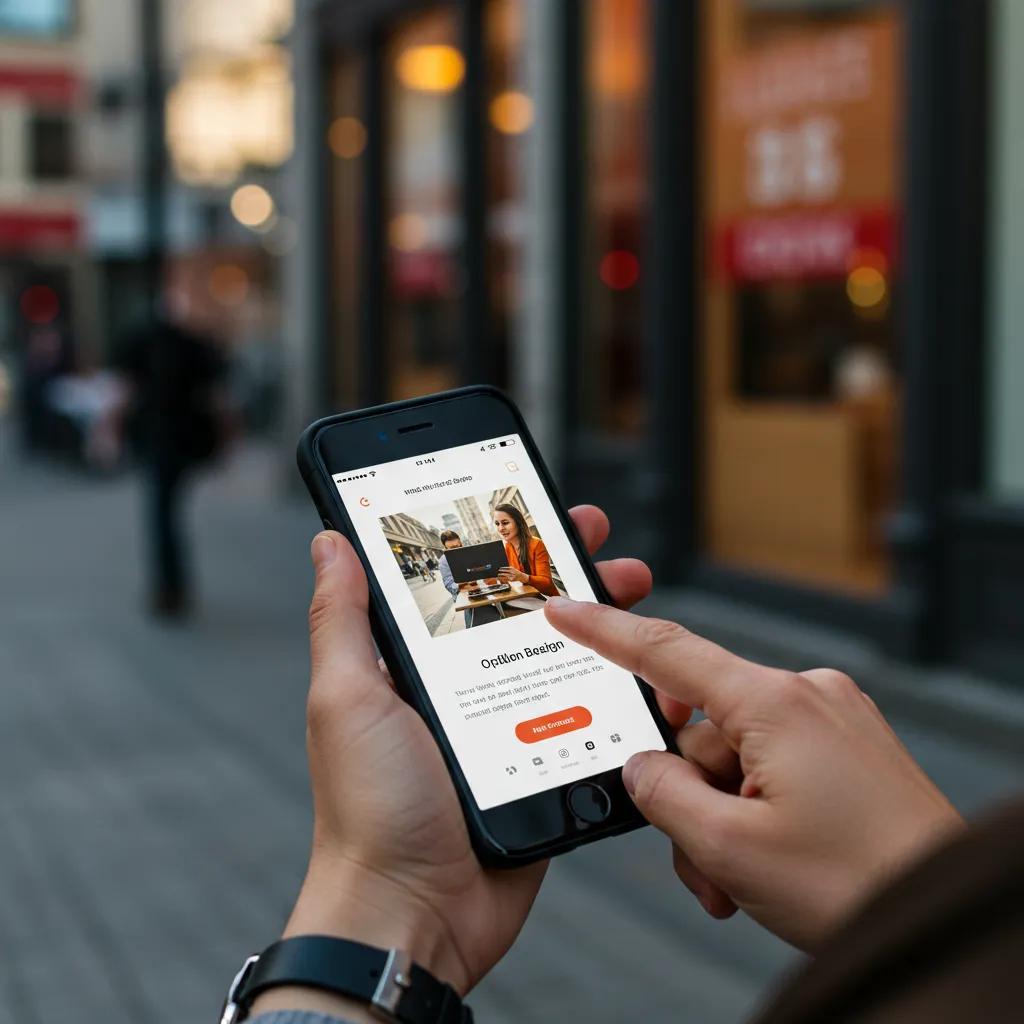
A mobile-first website is designed primarily for phones and tablets. This means navigation, calls to action, and forms work smoothly for customers on the go. This design makes it easier for people to take action, like calling, getting directions, or filling out a form, which boosts conversion rates for local searches.
Faster mobile performance also means fewer people leave your site quickly. Quicker load times directly lead to better search visibility and more completed contact forms. By using responsive images, compressed files, and a clear content layout for mobile, visitors can act fast. This prepares your site to capture and convert local interest, and it naturally leads to the technical and content features needed for a strong, SEO-friendly site.
Key Features of a High-Performing, SEO-Integrated Website
A top-performing, SEO-integrated website combines speed, organized content, and features that encourage visitors to act. This helps both search engines and users find and engage with your business.
- Technical Speed: Optimized site speed and secure hosting (HTTPS).
- Structured Content: Schema markup for local businesses and a clear site structure that uses important keywords.
- On-Page Content: Clear, keyword-rich headings, service pages with local details, and trust signals like customer reviews and easy contact options.
- Conversion Elements: Prominent calls to action, short forms, and specific landing pages designed to turn visitors into leads.
These elements help turn search traffic into measurable leads, setting the stage for ongoing improvements that boost your search visibility.
SEO: Dynamic Online Promotion for Sales and Marketing
Search engine optimization (SEO) is a dynamic online promotion technique that involves a variety of strategies and tactics aimed at improving a website's visibility in search engine results pages (SERPs). The primary goal of SEO is to increase organic (non-paid) traffic to a website by making it more attractive to search engines and users alike. This involves optimizing website content, structure, and technical aspects, as well as building high-quality backlinks. According to the findings, different strategies are employed to leverage the internet for sales and marketing purposes.
Search Engine Optimization (SEO) as a dynamic online promotion technique: the implications of activity theory for promotion managers, GS Spais, 2010
How Website Design Drives Lead Generation and Sales
Good website design guides visitors through a simple process: clarity, then trust, then action. Visual layout and clear messages reduce any confusion at each step. Effective landing pages match what a user is searching for with clear headlines, content that highlights benefits, and a single, obvious call to action. This alignment increases conversion rates and lowers the cost of getting new customers.
Testing different headlines, button text, and form lengths helps you find what works best for local audiences and improves the sales process. Design choices also affect how well other marketing efforts—like social media, email, and paid ads—can send traffic to pages ready to convert. This directly links site design to measurable revenue.
Website Conversion Design: Facilitating Leads and Sales
Therefore, companies must develop the design and content of their websites to facilitate conversions, in other words, they must utilize conversion design. One of the most important aspects of conversion design is to ensure that the website is user-friendly and provides a clear call to action. This can be achieved by using clear and concise language, providing relevant information, and making it easy for visitors to navigate the website. By implementing conversion design principles, companies can increase the number of visitors who convert into leads or customers.
Online Lead Generation in B2B Marketing: The Role of Conversion Design on the Corporate Website, 2020
How Local SEO Helps Small Businesses Get Found in Ohio and Pennsylvania
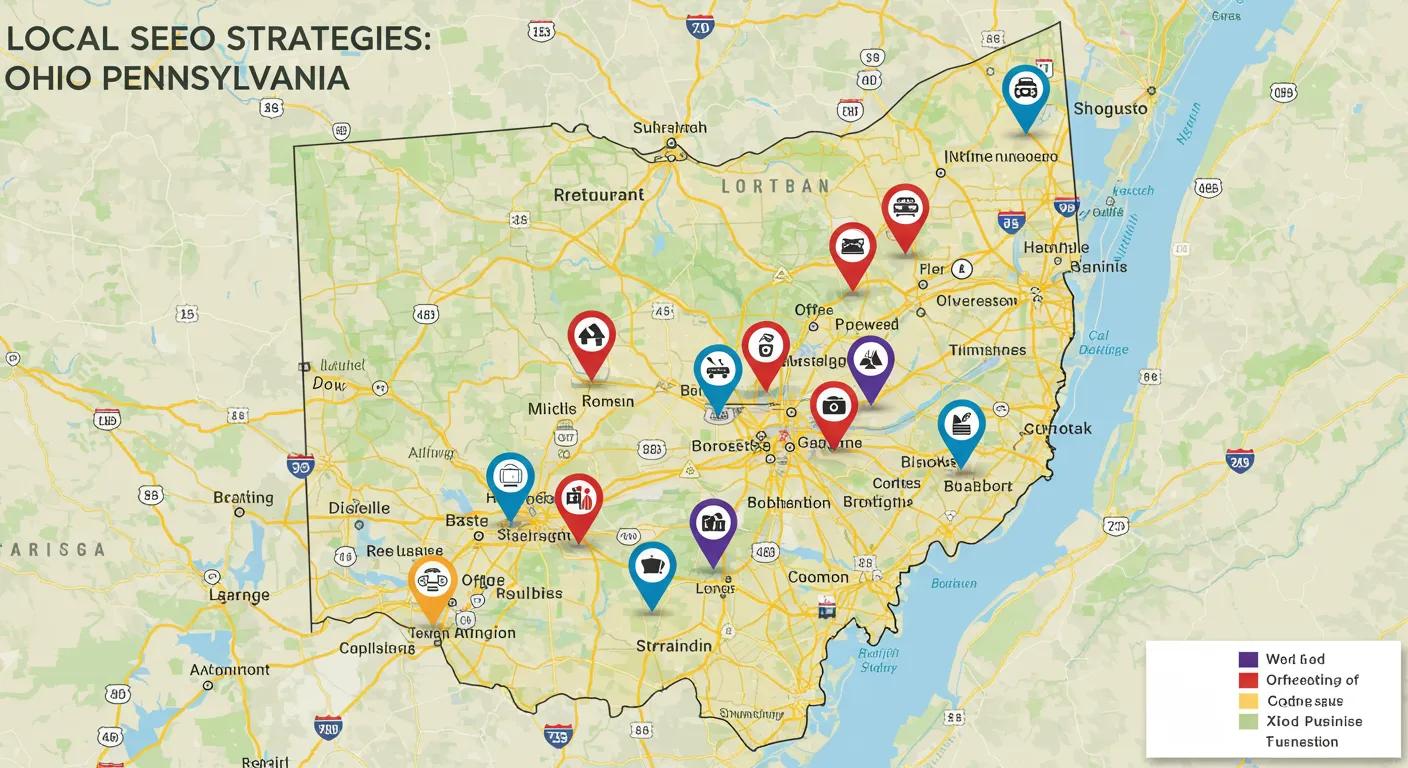
Local SEO helps small businesses show up when nearby customers search for services. It uses a mix of Google Business Profile optimization, online mentions (citations), and content focused on local areas. Search engines match what people are looking for with nearby business information, like consistent name, address, and phone number (NAP), local service pages, and customer reviews.
For businesses in Ohio and Pennsylvania, focusing on specific cities with dedicated location pages and local keywords can greatly improve visibility in local search results and maps. Here's a comparison of common local SEO tactics and their benefits for specific cities:
| Local SEO Action | What It Involves | Local Benefit |
|---|---|---|
| Google Business Profile optimization | Complete categories, services, photos | Higher chance of appearing in local search packs and more calls/directions |
| Local citations | Consistent NAP across online directories | Improved trust for search engines and fewer listing errors |
| City-specific landing pages | Content and keywords targeted to a specific city | Increased relevance for city searches and more qualified leads |
| Review management | Asking for and responding to reviews | Higher click-through rates and better conversion from search results |
Best Local SEO Practices for Small Businesses
To get started with local SEO, focus on these key practices:
- Complete Your Google Business Profile: Make sure it's fully filled out with accurate information.
- Consistent Citations: Ensure your business name, address, and phone number (NAP) are the same across all online directories.
- City-Targeted Content: Create content that answers local questions and matches what local customers are searching for.
Quick wins include verifying your business listing, choosing the right categories, uploading high-quality photos, and regularly posting updates or offers to your profile. On your website, create unique location pages with specific descriptions and schema markup to boost local relevance without duplicating content. These steps quickly improve local visibility and build a strong base for ongoing content and review strategies.
How Google Business Profile Optimization Boosts Local Visibility
Optimizing your Google Business Profile helps your business show up higher in map results by giving search engines detailed information about your services, hours, and customer experiences. A complete profile makes it more likely you'll appear in the local pack (the top 3 businesses shown in search results).
Features like posts, attributes, and Q&A can increase clicks and requests for directions when used regularly. Responding to reviews and updating photos shows you're actively managing your profile, which often leads to more engagement from searchers. Optimizing your profile also helps guide your website content, creating a consistent experience between your listing and your website.
Which Ohio and Pennsylvania Cities Should Small Businesses Target for Local SEO?
Small businesses should target cities that offer a good balance of population, commuter traffic, and local competition. Focus on major regional centers and their nearby towns. Targeting both the larger city and its suburbs helps you reach more people without losing local relevance.
Create unique landing pages for each target city. These pages should include local keywords, specific service details, and directions to avoid duplicate content. This city-focused approach helps your business appear for both broad regional searches and very specific local queries, and it naturally leads into content and distribution strategies that boost those pages.
Effective Content Marketing Strategies for Small Businesses
Content marketing for small businesses focuses on creating useful, local content that attracts search traffic and guides visitors toward becoming customers. This means creating valuable content like informative blog posts, short videos, and case studies that answer local search questions. This builds your authority and creates entry points to your service pages.
A consistent content calendar, planned around what buyers are looking for and seasonal trends, helps you gain organic search benefits over time and reduces your need for paid advertising. Here's a prioritized list of content types and a simple plan for small teams to publish regularly:
- Service pages with local details: Clearly describe your services and include city-specific information to attract buyers ready to convert.
- "How-to" blog posts: Answer common local questions and show your relevance to customers looking for solutions.
- Short video demos or tours: Boost engagement and quickly show off your services to local audiences.
- Case studies and testimonials: Show real results and build trust, which improves conversions.
These content types create a path from simply knowing about your business to taking action. The next step is to schedule them in a content calendar that small teams can easily manage.
Digital Content Marketing Strategy for Small Business Growth
Digital marketing is the broad concept that includes various approaches, strategies and techniques. So that, this paper aims at discussing digital content marketing strategy as one of commonly used approach among small business by conducting a conceptual review that shad the lights on some theoretical researches and empirical studies of digital content.
A conceptual review of digital content marketing strategy as an effective practice to grow small business, 2020
How Blogging and Video Content Attract and Educate Local Customers
Blogs and videos attract local customers by answering specific, local questions and showing your expertise through practical examples or demonstrations. Blog posts optimized for local keywords can bring in organic search traffic, while short videos on your site and social media increase engagement and how long people stay on your page.
Topics should match where buyers are in their journey: awareness (local how-to guides), consideration (service comparisons), and decision (case studies, pricing info). Reusing blog content as short social clips and email snippets helps you reach more people, creating a content rhythm that constantly feeds your website and local listings.
Why Content Marketing is More Cost-Effective Than Traditional Marketing
Content marketing offers a lower cost-per-lead over time because published content keeps attracting traffic and leads long after the initial investment. This is different from many traditional paid channels, which stop working once you stop spending money.
Evergreen posts and optimized service pages continuously improve your organic visibility, lowering ongoing customer acquisition costs and boosting your marketing ROI. Content also supports other channels—like email, social media, and paid ads—by providing landing pages that convert, which increases the value of every channel. Tracking conversions driven by content shows how investing in content brings measurable returns, making it a smart long-term strategy for small businesses on a budget.
How to Develop a Consistent Content Calendar for Small Business Growth
A consistent content calendar starts with choosing important topics, setting a realistic publishing schedule, and reusing content across different channels to get the most out of limited resources. Here's a simple template:
- One blog post per week.
- One short video per month.
- Daily social media snippets taken from your main content.
Use keyword research to find topics with local interest and align them with seasonal demand to capture timely searches. Review your content's performance monthly and adjust formats and topics based on what brings the best traffic-to-lead conversions. This keeps your calendar efficient and focused on results.
How Social Media Marketing Builds Community and Engagement for Small Businesses
Social media marketing builds community by creating regular interactions that increase local brand awareness and send traffic to your website, where leads can be captured. The key is engagement: frequent, locally relevant posts create familiarity, while interactive content encourages direct messages and referrals that help your sales.
Choosing platforms that match your customer demographics and local usage leads to better engagement and more efficient spending if you use paid ads. Here's a practical list of platform recommendations and engagement tips for local businesses:
- Facebook: Best for local community engagement, events, and local ads targeting nearby users.
- Instagram: Ideal for visual businesses like retail, food, and service industries that benefit from images and short videos (reels).
- LinkedIn: Useful for local B2B services, professional networking, and showing industry expertise.
- TikTok: Effective for reaching younger local audiences with short, authentic video content.
Picking the right mix of platforms helps you plan your posts and content formats to maximize community building and referrals.
Which Social Platforms Are Best for Local Small Business Marketing?
Choosing the right social platform depends on your audience and what you offer:
- Facebook and Instagram: Often provide the best immediate reach for consumer-facing local businesses.
- LinkedIn: Benefits B2B service providers.
- Instagram and short-form video: Prioritize these if your business is visual (e.g., showcasing products or work).
- Facebook groups and local ads: Can help service businesses drive bookings.
- TikTok: Can boost discovery for businesses that create authentic, entertaining short videos.
By choosing the right platform, you can focus your content creation and measurement efforts, which in turn drives website visits and conversions.
How Small Businesses Can Increase Brand Engagement Through Social Media
Small businesses can boost engagement by:
- Posting content relevant to their local area.
- Encouraging user-generated content (UGC).
- Running community-focused campaigns like local contests or event promotions.
Other tactics include using local hashtags, sharing customer stories, and asking simple interactive questions or polls to get comments and shares. Partnering with other local businesses and quickly responding to messages and comments builds trust and shows you're responsive. These social interactions often lead to website visits and new leads when posts link to pages ready for conversion.
What Metrics Should Small Businesses Track to Measure Social Media Success?
To connect social media activity to business results, track these metrics:
- Engagement Rate: How much people interact with your posts.
- Referral Traffic: How many visitors come to your website from social media.
- Conversion Rate: How many social media visitors complete a desired action (like filling a form).
Use UTM parameters and event tracking to see which specific posts or campaigns lead to website leads. If you use paid social media, measure the cost per lead. Also, watch follower growth and overall sentiment as early indicators. Review your conversion paths monthly to improve your content and ad targeting. This data helps you make smarter decisions about where to spend your time and budget.
How Email Marketing Nurtures Leads and Drives Conversions for Small Businesses
Email marketing turns website visitors into customers by sending targeted, timely messages that guide prospects from initial interest to making a purchase. This works by using segmentation, personalization, and automation to deliver relevant content to subscribers based on their behavior and where they are in the buying process.
Effective email campaigns include welcome series, educational sequences that build trust, and promotional messages that encourage action. All of these should have clear subject lines and calls to action. Here are campaign ideas and best practices for small teams to set up impactful email flows:
- Welcome series: Introduce your brand's value and set expectations for future emails.
- Educational nurture: Provide content that solves problems, builds trust, and shows your expertise.
- Promotional triggers: Send timely offers tied to seasonal demand or to people who started but didn't finish a purchase.
These campaign types create an automated system that turns website interest into measurable results.
Effective Email Campaigns for Small Business Audiences
For small businesses, welcome emails, educational nurture sequences, and timely promotional campaigns offer the best mix of building relationships and driving sales:
- Welcome Series: Sets the tone and encourages an early conversion with a clear next step.
- Nurture Emails: Educate and address potential concerns over time.
- Promotional Emails: Tied to local events or seasonal demand, these create urgency and trackable revenue spikes.
Together, these boost organic performance and steadily move prospects toward making a purchase.
How Personalization Improves Email Marketing Results
Simple personalization—like using a recipient's name, location, or past actions—significantly increases how often emails are opened and clicked. This is because messages feel more relevant.
Behavioral triggers, such as someone visiting a service page or abandoning a shopping cart, allow for timely follow-ups that capture interest while it's still fresh. Dynamic content blocks let small businesses show different offers to different groups without creating separate campaigns. These personalization tactics make the buyer's journey smoother and speed up conversions from email traffic.
Best Practices for Building and Segmenting an Email List
To build an email list effectively and ethically:
- Use lead magnets (like free guides) and simple sign-up forms.
- Clearly state the value subscribers will receive.
- Comply with email regulations.
Segment your lists by behavior, where customers are in their buying journey, and location. This helps you send more relevant messages that convert at higher rates. Use clear calls to action for email sign-ups on your service pages and local content. Regularly clean your lists to ensure your emails are delivered. Tracking open rates, click rates, and conversions from email helps you decide which segments to focus on for future campaigns.
Why MCG's Website Design Services are Ideal for Small Business Marketing
MCG offers website design and digital marketing services specifically for small businesses. They focus on building websites with integrated SEO from day one, mobile-first design, and features that drive conversions and lead generation. Their approach creates results-oriented websites optimized for local business SEO in Ohio and Pennsylvania. They combine hosting, design, and ongoing SEO support to help businesses get found faster and convert more leads.
The company's tagline—"Everything we do, we do to make things better."—shows their commitment to providing expert service with local care and clear pricing. This model is perfect for businesses looking for one partner to launch a lead-ready site and start capturing search demand.
How Integrated SEO from Day One Enhances Website Performance
Integrated SEO from day one means your site's structure, templates, and content are designed around keyword research and schema markup. This helps your site rank faster and attract qualified visitors. MCG builds SEO into the very foundation of your site, aligning service pages and local landing pages with important search queries. This avoids common technical and content problems.
Setting up technical elements early—like structured metadata, schema markup, and optimized templates—reduces future rework and helps your site get indexed quickly by search engines. This upfront alignment between SEO and design creates a strong base for ongoing content and conversion optimization.
Why Mobile-First Design is Critical for Local Small Businesses
Mobile-first design is crucial because many local searches happen on smartphones and often lead to immediate actions like calls or getting directions. MCG prioritizes mobile user experience (UX) patterns, such as:
- Sticky calls to action (CTAs) that stay visible.
- Simplified navigation.
- Fast-loading pages.
These features reduce friction for users searching on the go. This focus leads to higher conversion rates from local searches and aligns with how search engines prioritize mobile sites, improving your discoverability. Therefore, mobile-first design connects local search intent with measurable customer actions.
How MCG Provides Personalized Support for Ohio and Pennsylvania Businesses
MCG offers a local service model with clear pricing and personalized support for small businesses in Steubenville, OH, and nearby areas. This includes consulting, hosting, and SEO services. The team focuses on clear communication, practical advice, and easy-to-understand reports so business owners know how their site is generating leads.
Their local expertise helps businesses prioritize city-targeted pages and review strategies that are important in the Ohio and Pennsylvania search markets. Personalized support ensures ongoing optimization, not just a one-time setup.
Benefits of Combining Website Design with Comprehensive Digital Marketing
Combining website design with SEO, content, email, and social media efforts speeds up lead conversion. It ensures consistent messaging and optimized landing experiences across all channels. An integrated approach:
- Reduces setup difficulties.
- Shortens the time it takes to see results.
- Allows for unified measurement of what drives leads and revenue.
MCG's bundled services help small businesses create a clear path for customers—from becoming aware of your business, to interacting with your website, to being nurtured through email. This means improvements in one area boost results in others, leading to clearer tracking and faster optimization.
Affordable and Effective Marketing Strategies for Small Businesses on a Limited Budget
For small businesses with limited funds, focusing on low-cost, high-return tactics helps build momentum. A modest website investment can then multiply returns across all your marketing channels. The guide below ranks options by cost and expected outcome, helping owners spend their budget wisely.
| Tactic | Estimated Cost | Expected ROI / Outcome |
|---|---|---|
| Google Business Profile optimization | Low (time or small management fee) | High: More calls and direction requests within weeks |
| Review solicitation & management | Low (process + small incentives) | High: Better click-through rates and trust from searchers |
| Basic on-site SEO and local pages | Moderate (one-time build) | High: Steady organic leads over months |
| Email automation (welcome/nurture) | Moderate (platform cost) | Medium-High: Improved conversion of captured leads |
| Paid search/social ads | Variable (daily budget) | Medium: Quick demand capture when landing pages are optimized |
Low-Cost Digital Marketing Tactics That Deliver High ROI
High-return, low-cost tactics include:
- Optimizing your Google Business Profile.
- Asking for and showcasing customer reviews.
- Creating a few location-specific pages designed to convert visitors.
These steps require little time and lead to measurable increases in clicks, calls, and bookings. Add simple email sign-up forms on your best-performing pages to turn one-time visitors into repeat contacts. Also, reuse your existing content for social media posts to reach more people at minimal cost. Focusing on these tasks brings quick results and prepares your business for growth.
How Small Businesses Can Leverage Online Reviews and Referrals for Growth
To make the most of reviews:
- Ask customers for feedback when they are most satisfied.
- Make the review process simple.
- Display testimonials prominently on your website and business listings.
Offer an easy way for customers to leave feedback and follow up with thank-you messages that encourage sharing. Showing recent reviews on your location pages builds trust and increases click-through rates from search results. A strong review strategy turns happy customers into active promoters and boosts your local search performance.
The Role of Paid Advertising in a Small Business Marketing Mix
Paid advertising is best for quickly capturing demand and testing messages, but only after your landing pages and tracking are set up for conversions. Start with small daily budgets, link your ads to specific landing pages, and measure the cost per lead to decide if you should scale up.
Use paid campaigns to promote limited-time offers or to test new service messages. Then, use successful ad content in your organic content and email campaigns. Paid spending acts as an accelerator when your website and conversion process are already in place.
Conclusion
Implementing effective marketing strategies is essential for small businesses aiming to enhance their online presence and convert leads into loyal customers. By focusing on a mobile-friendly website, local SEO, and engaging content, businesses can significantly improve their visibility and trustworthiness in the market. Taking the next step towards growth is simple—explore our tailored services designed to meet your unique needs. Start your journey to success today and watch your business thrive.
— Talk with MCG to plan your next step.